


【按语】
前一篇我们对伦敦和广州在不同商品、工资、住房、娱乐上的物价水平进行了探讨。关于伦敦和广州存在的物价水平上的差异,受人们不同的生活方式影响,每个国家都有独特的文化理念,进而会影响人们的消费理念。
伦敦生活节奏较快,广州相对节奏缓慢,这次让我们一起来看看消费是如何受文化的影响?
作者简介:
张晗,毕业于英国华威大学(2018年QS世界排名57名,中国中山大学该项排名为319名),主修数学、运筹学、统计学和经济学,具有丰富的辅导学生学习经济学专业课程的经验,现回国在广州市黄广中学教师。
Continuing from the previous article about the typical lifestyles of people in London and Guangzhou, we shall take a glimpse into how consumption is influenced by culture and vice versa.
As a reminder, we concluded with the discovery that net incomes after taxes and rent per month (discretionary income) equate to CNY 11,000 and CNY 4,000 for Londoners and Guangzhouers respectively. So what do these people spend their money on?
Food
Food is a major part of people’s lives. After all, it is a necessary good. However, the eating habits of Chinese and British differ widely.
Lunch during work break is a good example. A lot of organisations in China offer a two hour lunch break so this gives ample time for a proper sit down meal. Contrasted to the UK, where it’s usual to have less than one hour, workers typically opt for sandwiches and snacks.

Perhaps this is due to the average cost of an inexpensive restaurant meal. At CNY 150 for Londoners this represents a much larger portion of their discretionary income compared to CNY 20 for Guangzhou workers.
Or it may due to culture increasing the availability of restaurants which drives down the prices of cheap meals for Guangzhou.
Clothing
This is an interesting data point for both regions since clothing prices are roughly the same. A midrange pair of Nike shoes cost CNY 550 and a pair of Levi’s jeans around CNY 500.
This highlights the vastly different purchasing power for clothing between these two groups of people. Since discretionary income is almost three times as large for Londoners compared to Guangzhouers, it means that Londoners can buy almost three times as many pairs of Nikes or Levis! However, this hasn’t seemed to limit the appetite of Chinese for brands such as Nike who have been very successful in China compared to the waning demand in their domestic market.
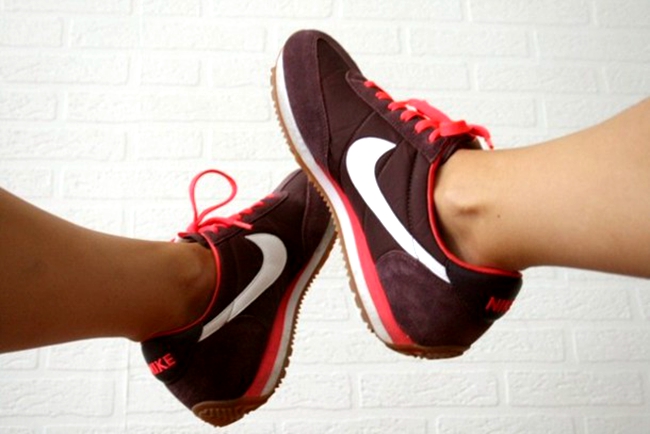
Clothing and fashion are highly personal, more so than food in my opinion, so these consumption patterns can either be further inflated or deflated for certain individuals.
Cross comparisons of factors can highlight the differences in behavior and give insight into people’s preferences for those able to relocate. For readers who are economists: we are talking about budget lines and indifference curves.
In other words, someone who prefers to spend a lot of their income on Nikes ought to locate to London where it’s only worth 4 meals.
On the other hand, someone who prefers to spend their money on restaurant meals ought to stay in Guangzhou, where you can eat 28 meals for the price of a pair of Nikes!